
 Image 1 of 5
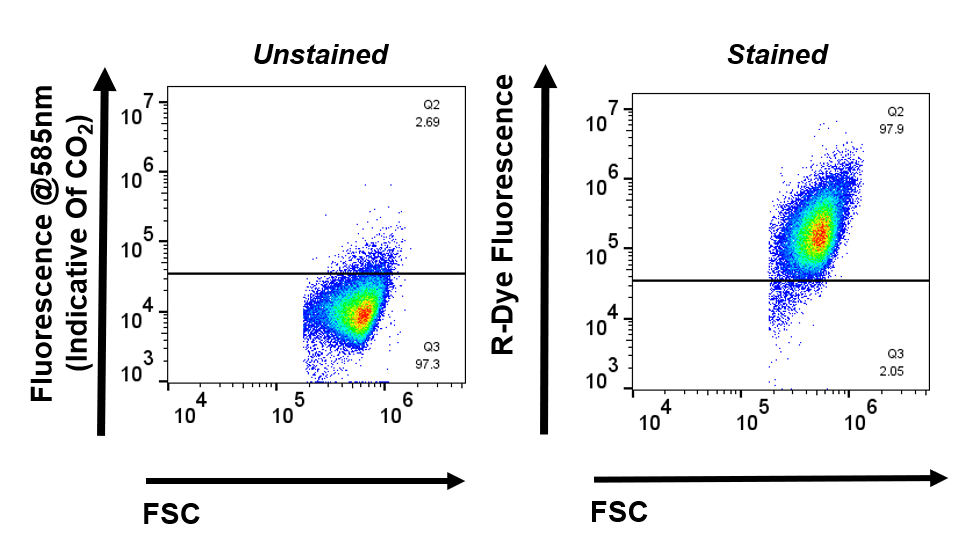 Image 2 of 5
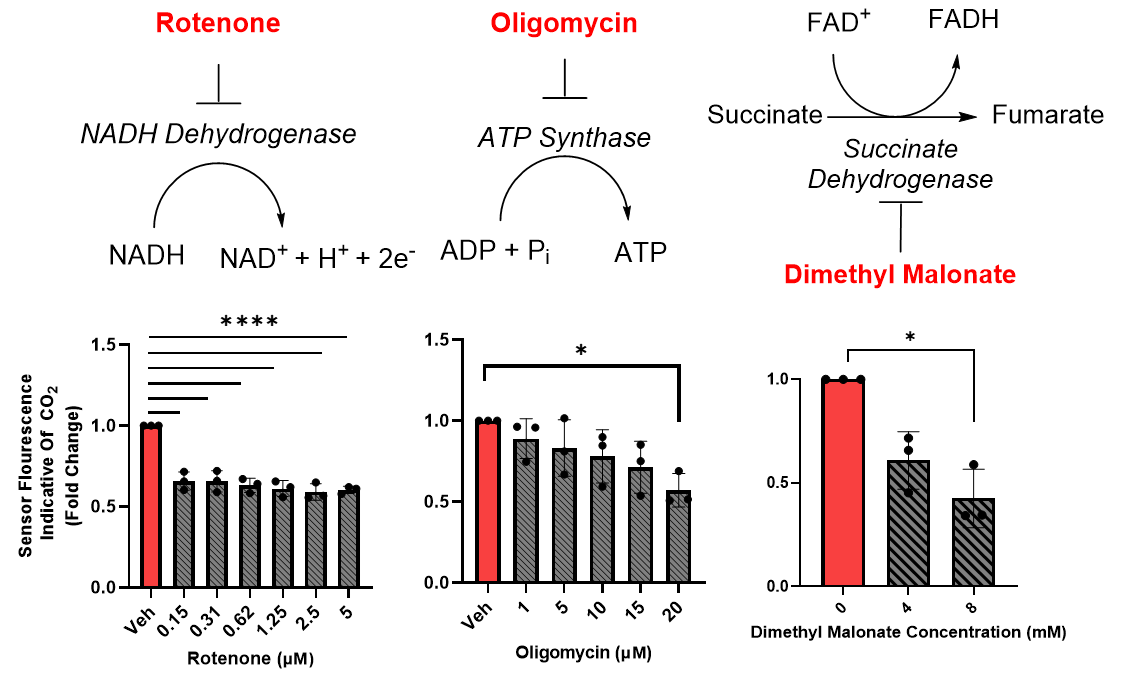 Image 3 of 5
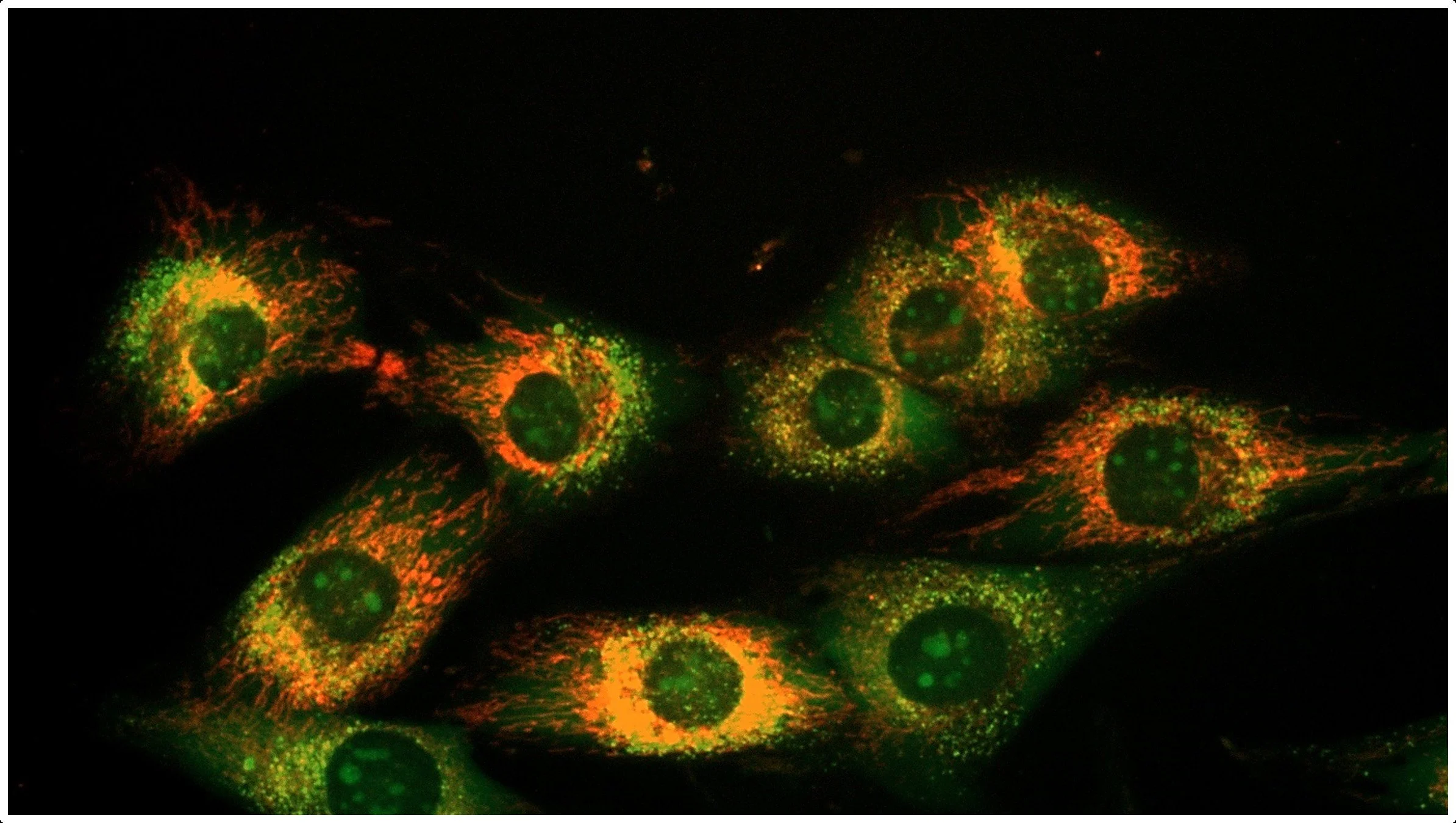 Image 4 of 5
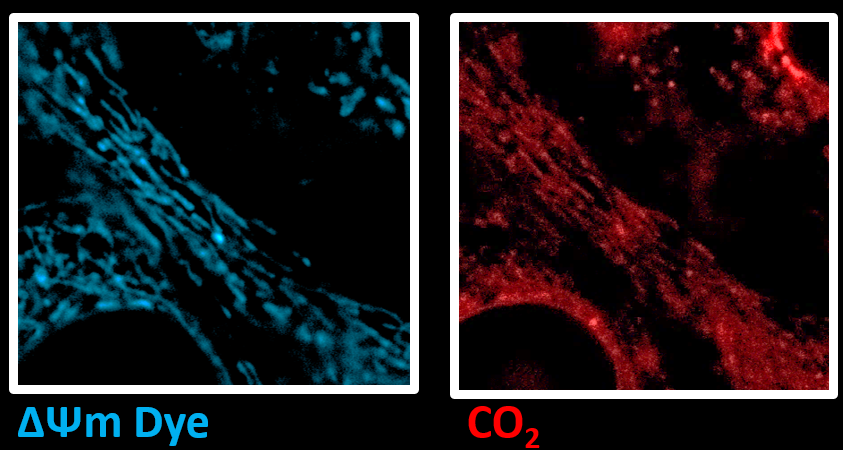 Image 5 of 5
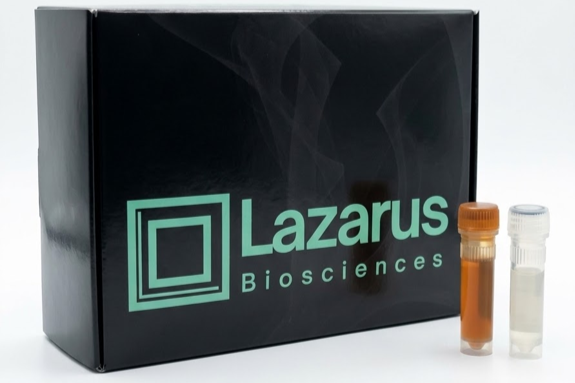
The Lazarus Mitochondrial Intracellular CO₂ Production Assay provides a direct, real-time functional readout of mitochondrial activity by measuring intracellular CO₂ production in living cells. The assay enables researchers to monitor changes in mitochondrial metabolism following pharmacological, genetic, or environmental perturbation without requiring cell lysis.
Designed for functional mitochondrial research and compound profiling, the assay can be used to identify and characterise compounds that alter mitochondrial activity, including mitochondrial inhibitors, activators, and compounds associated with mitochondrial toxicity or dysfunction.
Key applications
Mitochondrial activity and functional profiling
Mitochondrial dysfunction screening
Mitochondrial toxicity and liability assessment
Mitochondrial inhibitor and activator discovery
Mitochondrial stress and metabolic-response profiling
Phenotypic screening of mitochondrial function
Pharmacological and genetic perturbation studies
Identification and prioritisation of mitochondrial-active compounds
Mitochondrial mechanism-of-action studies
Mitochondrial disease and therapeutic research
Target validation and functional confirmation
Early detection of mitochondrial perturbation
Assessment of mitochondrial effects prior to overt cytotoxicity
Secondary and orthogonal validation of mitochondrial hits
Profiling mitochondrial responses across cell models
High-throughput mitochondrial functional screening
Publications
Reddan, B., Shahen, R., Radi, R., McCalmont, M., Green, O. and Cummins, E.P., 2026. Activity-based CO2 sensing using CarboSenR2 provides new insights into cellular metabolism. Redox Biology, p.104067.
Green, O., Finkelstein, P., Rivero-Crespo, M.A., Lutz, M.D., Bogdos, M.K., Burger, M., Leroux, J.C. and Morandi, B., 2022. Activity-based approach for selective molecular CO2 sensing. Journal of the American Chemical Society, 144(19), pp.8717-8724.
The Lazarus Mitochondrial Intracellular CO₂ Production Assay provides a direct, real-time functional readout of mitochondrial activity by measuring intracellular CO₂ production in living cells. The assay enables researchers to monitor changes in mitochondrial metabolism following pharmacological, genetic, or environmental perturbation without requiring cell lysis.
Designed for functional mitochondrial research and compound profiling, the assay can be used to identify and characterise compounds that alter mitochondrial activity, including mitochondrial inhibitors, activators, and compounds associated with mitochondrial toxicity or dysfunction.
Key applications
Mitochondrial activity and functional profiling
Mitochondrial dysfunction screening
Mitochondrial toxicity and liability assessment
Mitochondrial inhibitor and activator discovery
Mitochondrial stress and metabolic-response profiling
Phenotypic screening of mitochondrial function
Pharmacological and genetic perturbation studies
Identification and prioritisation of mitochondrial-active compounds
Mitochondrial mechanism-of-action studies
Mitochondrial disease and therapeutic research
Target validation and functional confirmation
Early detection of mitochondrial perturbation
Assessment of mitochondrial effects prior to overt cytotoxicity
Secondary and orthogonal validation of mitochondrial hits
Profiling mitochondrial responses across cell models
High-throughput mitochondrial functional screening
Publications
Reddan, B., Shahen, R., Radi, R., McCalmont, M., Green, O. and Cummins, E.P., 2026. Activity-based CO2 sensing using CarboSenR2 provides new insights into cellular metabolism. Redox Biology, p.104067.
Green, O., Finkelstein, P., Rivero-Crespo, M.A., Lutz, M.D., Bogdos, M.K., Burger, M., Leroux, J.C. and Morandi, B., 2022. Activity-based approach for selective molecular CO2 sensing. Journal of the American Chemical Society, 144(19), pp.8717-8724.