The Lazarus CO₂ High-Throughput Screening Assay is a scalable, functional screening platform for identifying and characterising compounds that modulate intracellular CO₂ production by CO₂-generating enzymes and metabolic pathways.
Using activity-based intracellular CO₂ sensing, the assay provides a real-time functional readout of CO₂ production in living cells. This enables phenotypic screening of compound libraries against cellular processes involving CO₂-producing enzymes, without relying solely on purified-protein or endpoint biochemical assays.
Compatible with standard plate-reader workflows, the assay is designed for high-throughput primary screening, hit identification, concentration-response profiling, hit confirmation, and compound prioritisation. Changes in intracellular CO₂ production can be used to identify compounds that inhibit, enhance, or otherwise modulate CO₂-generating enzymatic activity and associated metabolic pathways.
The platform can be applied across diverse cell types, enzyme systems, compound libraries, and experimental conditions, providing a functional approach to enzyme-targeted drug discovery, metabolic screening, and cellular mechanism-of-action studies.
Key Applications
High-throughput screening of CO₂-producing enzymes
Functional screening of enzyme-targeted compound libraries
Identification of enzyme inhibitors and activators
Discovery of novel modulators of CO₂-generating pathways
Primary compound screening and hit identification
Hit confirmation and validation
Compound activity and potency profiling
Concentration-response and dose-response studies
IC₅₀/EC₅₀ determination where appropriate
Enzyme activity and pathway modulation studies
Structure–activity relationship studies
Lead identification and compound prioritisation
Mechanism-of-action profiling
Secondary and orthogonal screening
Screening across enzyme isoforms and target variants
Cellular assessment of enzyme modulation
Phenotypic screening in living cells
Metabolic pathway profiling
Screening of focused and diversity compound libraries
Functional validation of biochemical screening hits
Drug discovery and development applications
Publications
Reddan, B., Shahen, R., Radi, R., McCalmont, M., Green, O. and Cummins, E.P., 2026. Activity-based CO₂ sensing using CarboSenR2 provides new insights into cellular metabolism. Redox Biology, p.104067.
Green, O., Finkelstein, P., Rivero-Crespo, M.A., Lutz, M.D., Bogdos, M.K., Burger, M., Leroux, J.C. and Morandi, B., 2022. Activity-based approach for selective molecular CO₂ sensing. Journal of the American Chemical Society, 144(19), pp.8717–8724.
The Lazarus CO₂ High-Throughput Screening Assay is a scalable, functional screening platform for identifying and characterising compounds that modulate intracellular CO₂ production by CO₂-generating enzymes and metabolic pathways.
Using activity-based intracellular CO₂ sensing, the assay provides a real-time functional readout of CO₂ production in living cells. This enables phenotypic screening of compound libraries against cellular processes involving CO₂-producing enzymes, without relying solely on purified-protein or endpoint biochemical assays.
Compatible with standard plate-reader workflows, the assay is designed for high-throughput primary screening, hit identification, concentration-response profiling, hit confirmation, and compound prioritisation. Changes in intracellular CO₂ production can be used to identify compounds that inhibit, enhance, or otherwise modulate CO₂-generating enzymatic activity and associated metabolic pathways.
The platform can be applied across diverse cell types, enzyme systems, compound libraries, and experimental conditions, providing a functional approach to enzyme-targeted drug discovery, metabolic screening, and cellular mechanism-of-action studies.
Key Applications
High-throughput screening of CO₂-producing enzymes
Functional screening of enzyme-targeted compound libraries
Identification of enzyme inhibitors and activators
Discovery of novel modulators of CO₂-generating pathways
Primary compound screening and hit identification
Hit confirmation and validation
Compound activity and potency profiling
Concentration-response and dose-response studies
IC₅₀/EC₅₀ determination where appropriate
Enzyme activity and pathway modulation studies
Structure–activity relationship studies
Lead identification and compound prioritisation
Mechanism-of-action profiling
Secondary and orthogonal screening
Screening across enzyme isoforms and target variants
Cellular assessment of enzyme modulation
Phenotypic screening in living cells
Metabolic pathway profiling
Screening of focused and diversity compound libraries
Functional validation of biochemical screening hits
Drug discovery and development applications
Publications
Reddan, B., Shahen, R., Radi, R., McCalmont, M., Green, O. and Cummins, E.P., 2026. Activity-based CO₂ sensing using CarboSenR2 provides new insights into cellular metabolism. Redox Biology, p.104067.
Green, O., Finkelstein, P., Rivero-Crespo, M.A., Lutz, M.D., Bogdos, M.K., Burger, M., Leroux, J.C. and Morandi, B., 2022. Activity-based approach for selective molecular CO₂ sensing. Journal of the American Chemical Society, 144(19), pp.8717–8724.

 Image 1 of 7
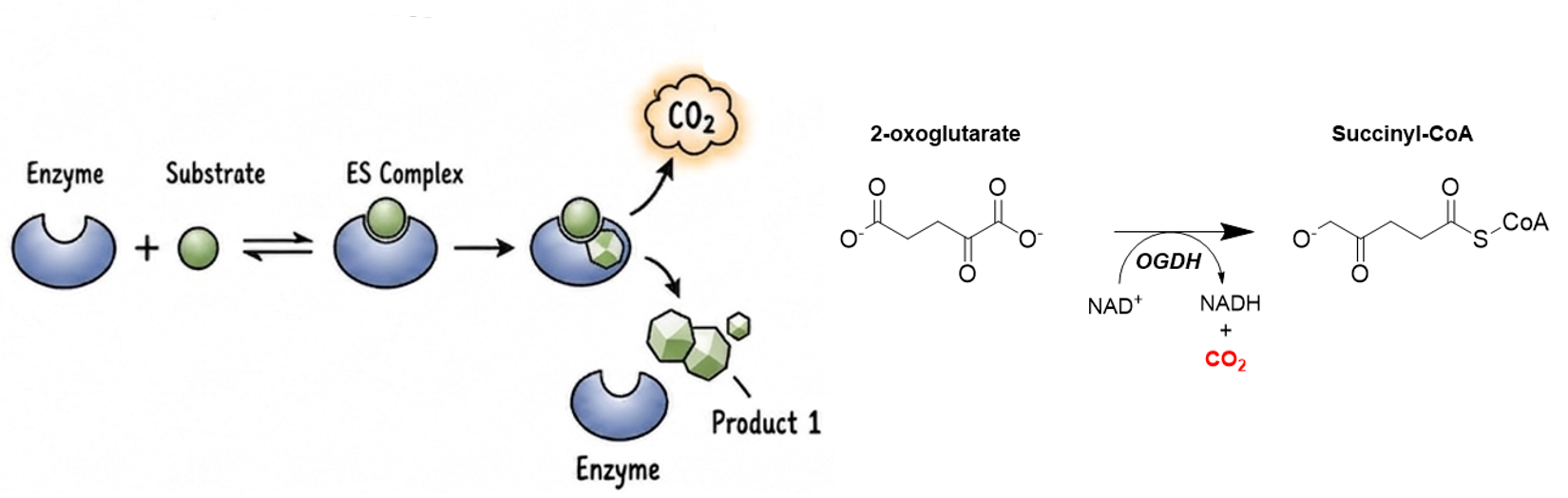 Image 2 of 7
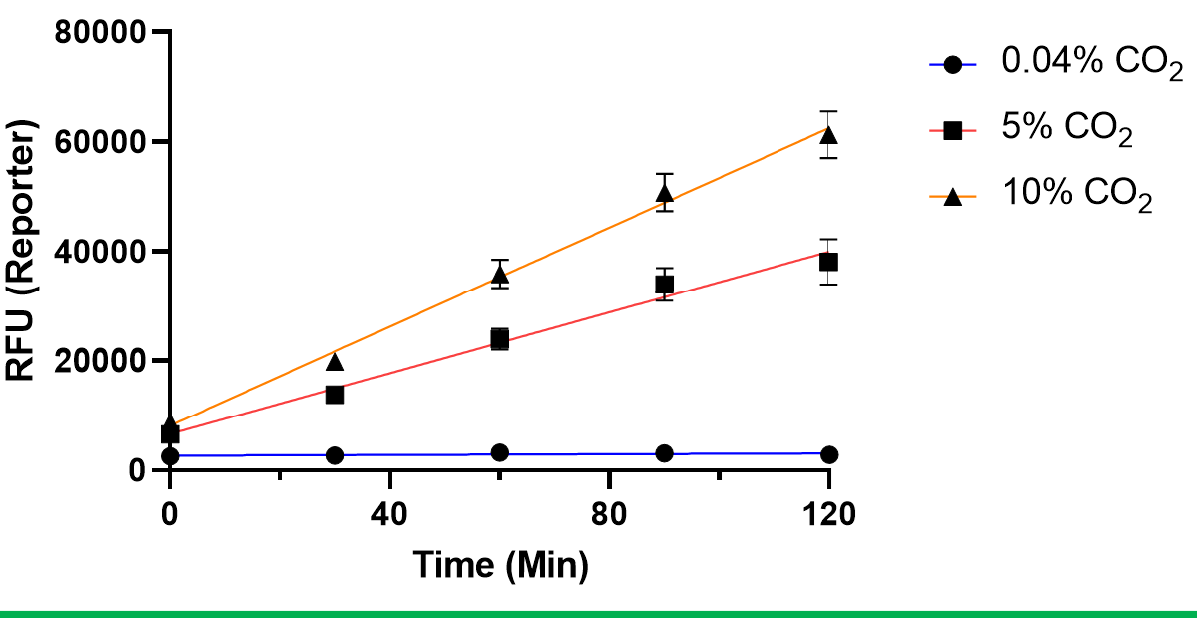 Image 3 of 7
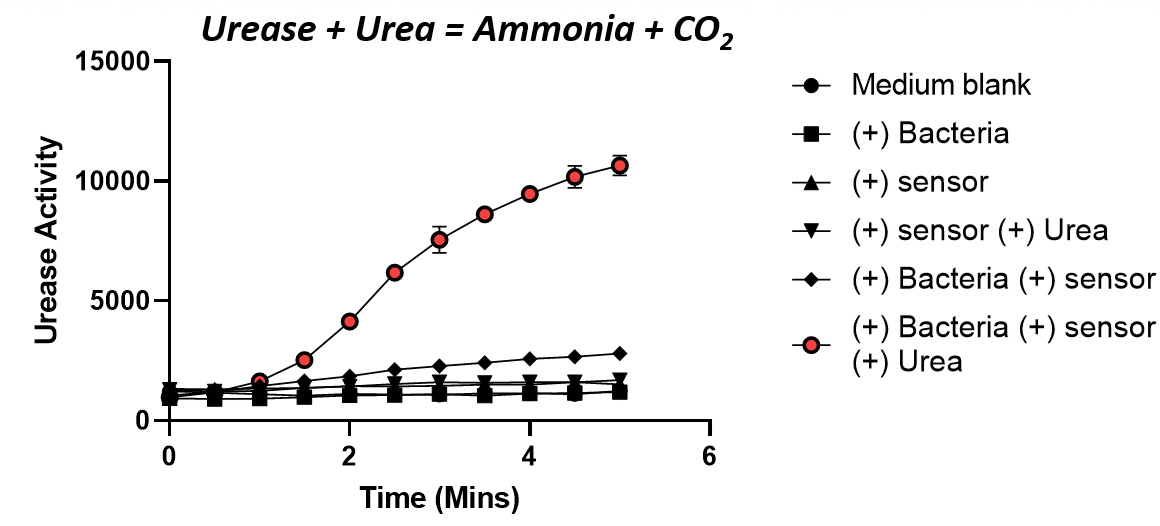 Image 4 of 7
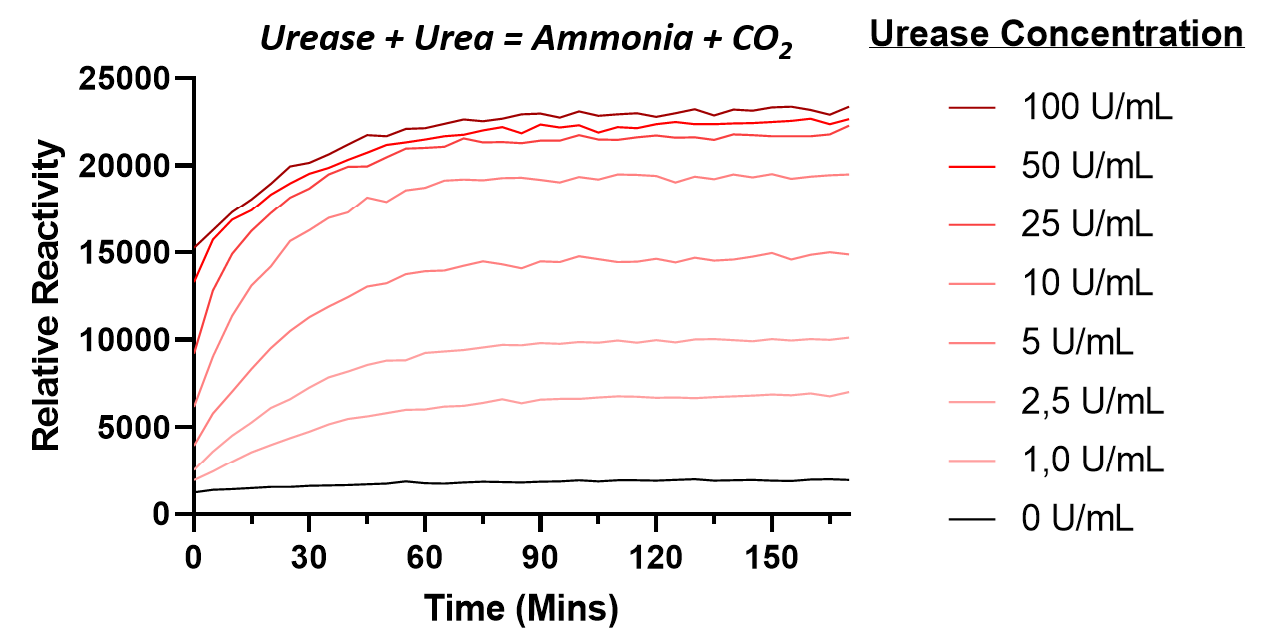 Image 5 of 7
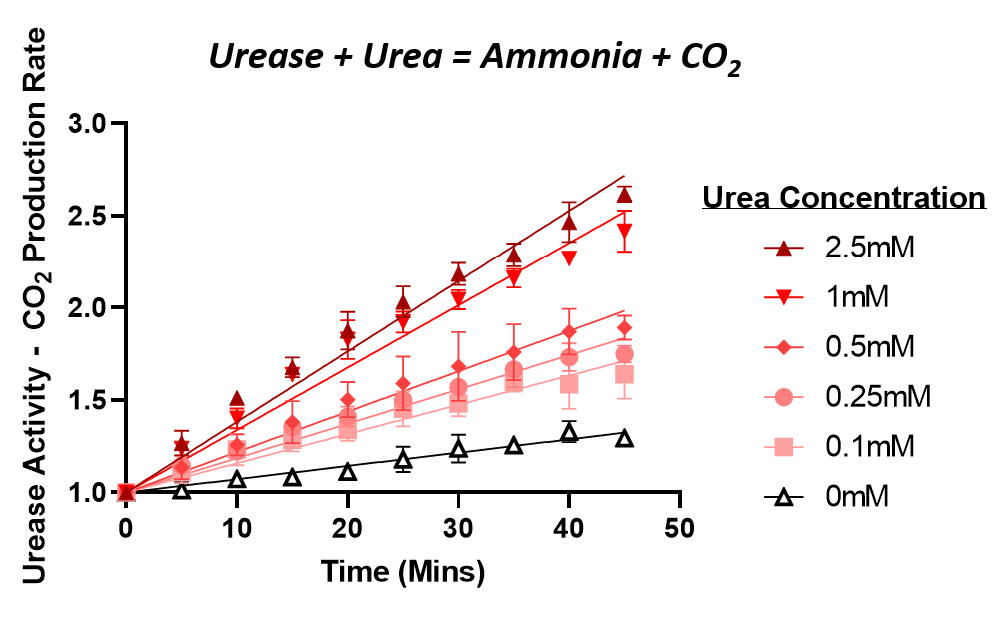 Image 6 of 7
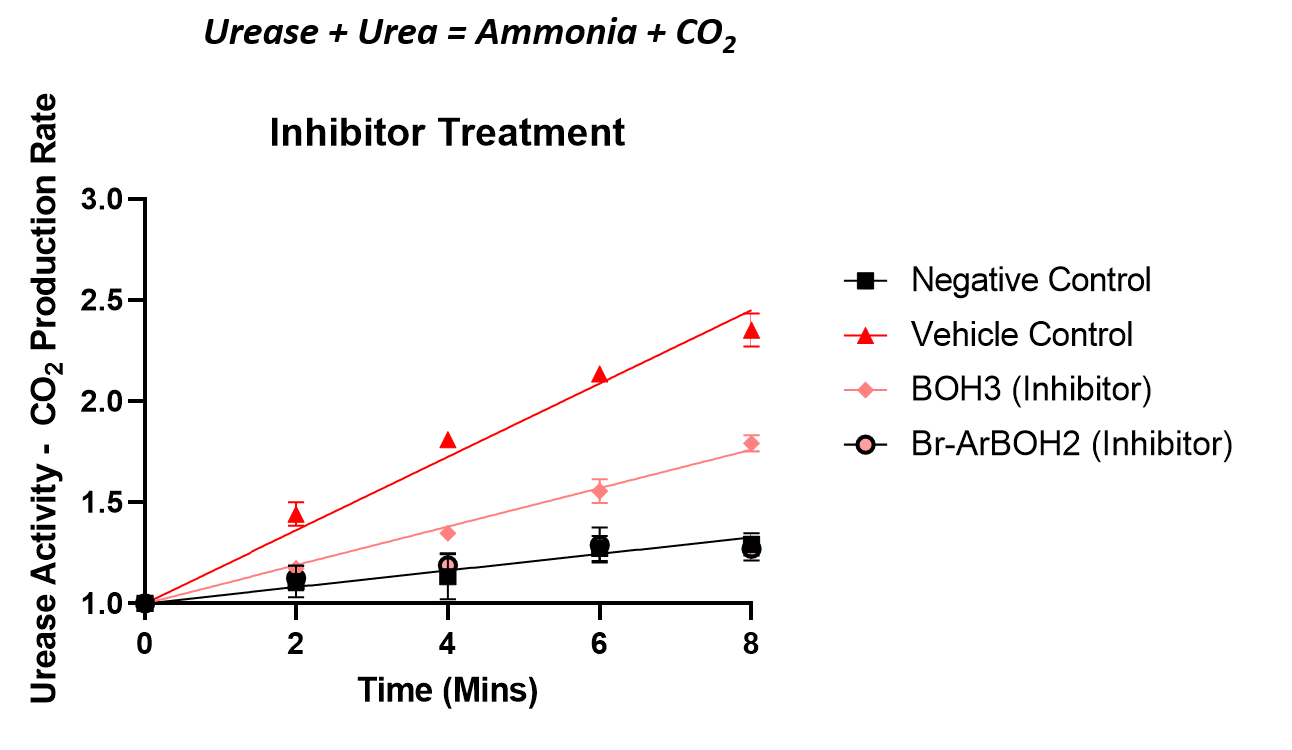 Image 7 of 7